Fantasy Authors Shaping Genre Beyond Books
The fantasy genre has captivated readers for centuries, weaving tales of wonder, magic, and adventure that transcend time and place. In 1858, Scottish author George MacDonald published Phantastes: A Faerie Romance for Men and Women, widely regarded as the first modern fantasy novel. This seminal work laid the foundation for generations of storytellers, influencing literary giants like C.S. Lewis and shaping the imaginative landscapes we cherish today. Soon after, Lord Dunsany expanded the genre’s horizons with The King of Elfland’s Daughter, a favorite of J.R.R. Tolkien and a cornerstone of early fantasy literature.
Fast forward to 2025, and the allure of fantasy remains stronger than ever. Readers continue to seek refuge in richly imagined worlds filled with surreal characters, mythical creatures, and epic quests. It’s the perfect moment to reflect on the most influential fantasy authors of all time—visionaries whose creativity and storytelling prowess have defined the genre and inspired countless creators across books, film, and television.
J.R.R. Tolkien
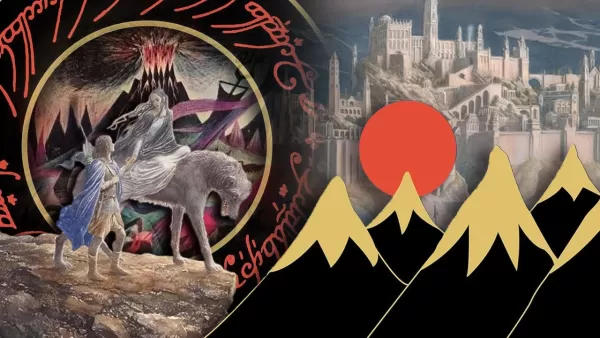
Few names resonate as deeply in the fantasy world as J.R.R. Tolkien. A pioneer of modern fantasy, his Lord of the Rings trilogy didn’t just popularize the genre—it redefined it. With unparalleled world-building, intricate mythologies, and fully developed languages, Tolkien crafted Middle-earth into one of the most immersive fictional universes ever conceived. His influence stretches far beyond literature, inspiring filmmakers like George Lucas—whose original Star Wars script contains direct references to The Hobbit—as well as legendary authors such as Ursula Le Guin and George R.R. Martin.
From the spiritual undertones to the sweeping landscapes and invented tongues, many of the tropes we associate with fantasy today were popularized by Tolkien. Even Peter Jackson’s cinematic adaptation of The Lord of the Rings left an indelible mark, setting a new standard for fantasy storytelling on screen and sparking a wave of high-budget fantasy productions that continue to dominate pop culture.
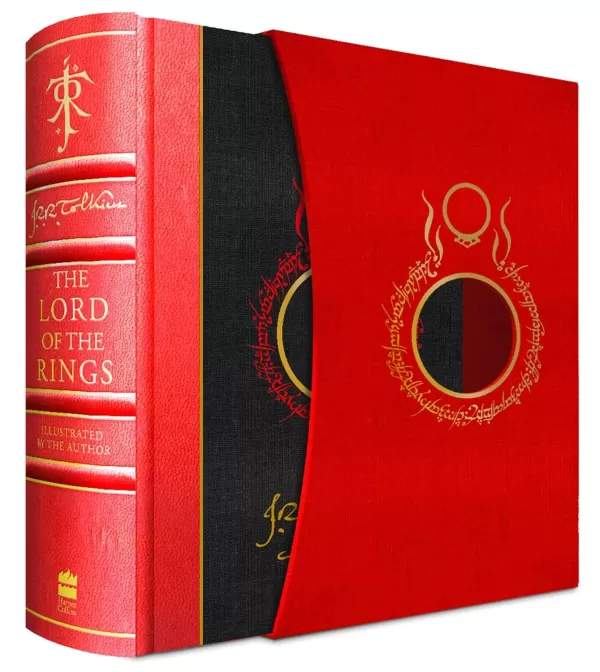
The Lord of the Rings Deluxe Illustrated Edition
4 See it at Amazon!
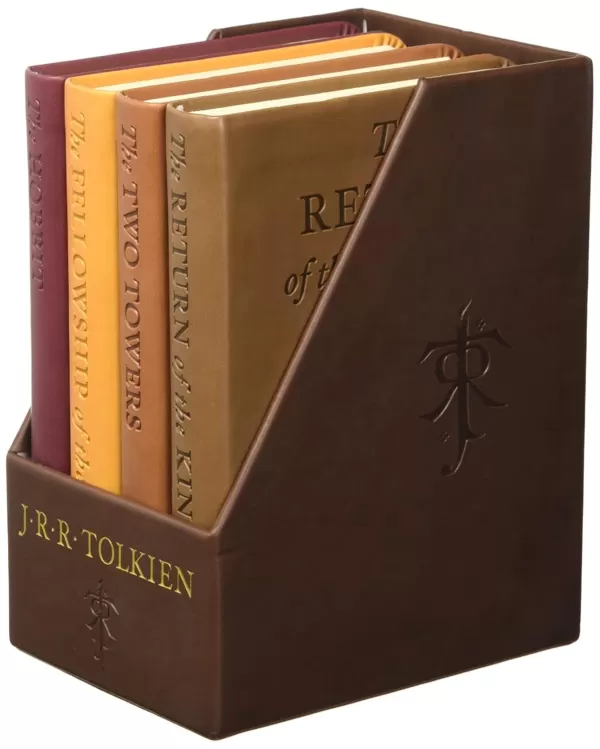
The Hobbit And The Lord Of The Rings: Deluxe Pocket Boxed Set
4 See it at Amazon!
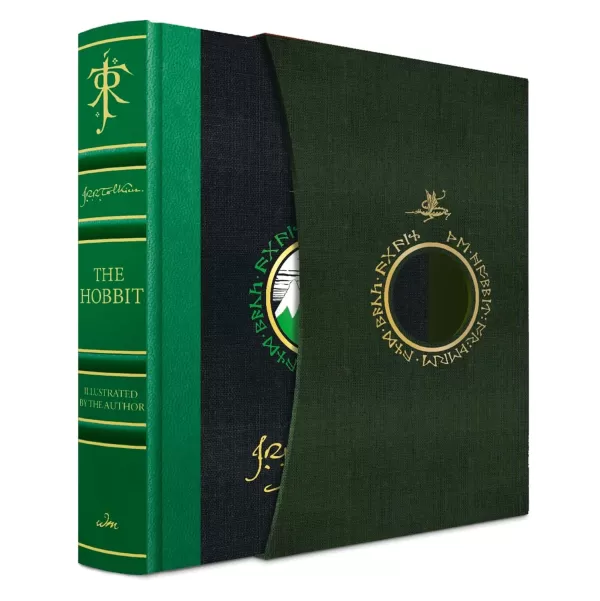
The Hobbit Deluxe Illustrated Edition
5 See it at Amazon!
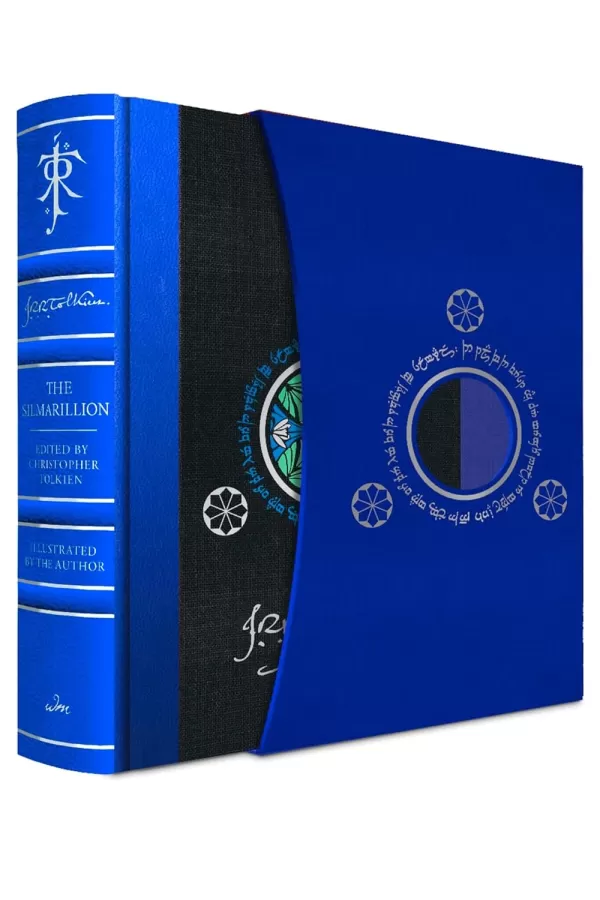
The Silmarillion Deluxe Illustrated Edition
5 See it at Amazon
C.S. Lewis
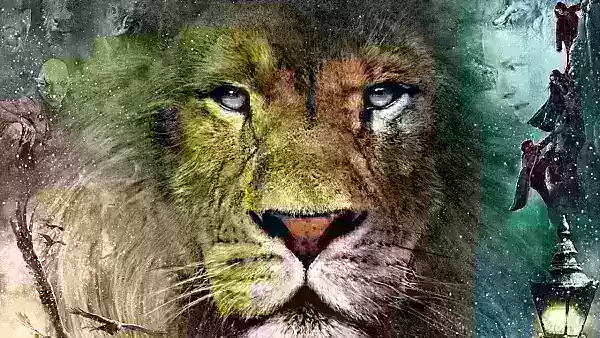
C.S. Lewis brought magic into the hearts of children and adults alike with The Chronicles of Narnia. Beginning with The Lion, the Witch and the Wardrobe in 1950, Lewis crafted a seven-book series that has never gone out of print, selling over 100 million copies in nearly 50 languages. The series—comprising Prince Caspian, The Voyage of the Dawn Treader, The Silver Chair, The Horse and His Boy, The Magician’s Nephew, and The Last Battle—blends Christian allegory with mythic adventure, creating a timeless narrative that continues to enchant readers.
A devoted admirer of George MacDonald, Lewis carried forward the tradition of moral and imaginative storytelling. His work has influenced generations of authors, including Katherine Paterson of Bridge to Terabithia fame. The Narnia stories have seen numerous adaptations, from beloved BBC productions to Disney’s cinematic interpretations. Now, a fresh retelling is in development at Netflix, helmed by acclaimed director Greta Gerwig, promising a new era for these classic tales.
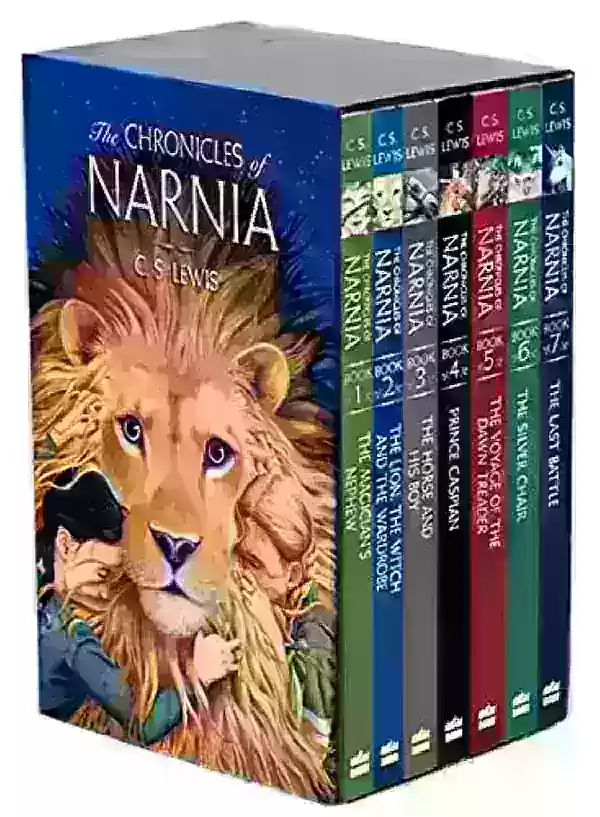
Includes 7 Books The Chronicles of Narnia Book Set
12 See it at Amazon!
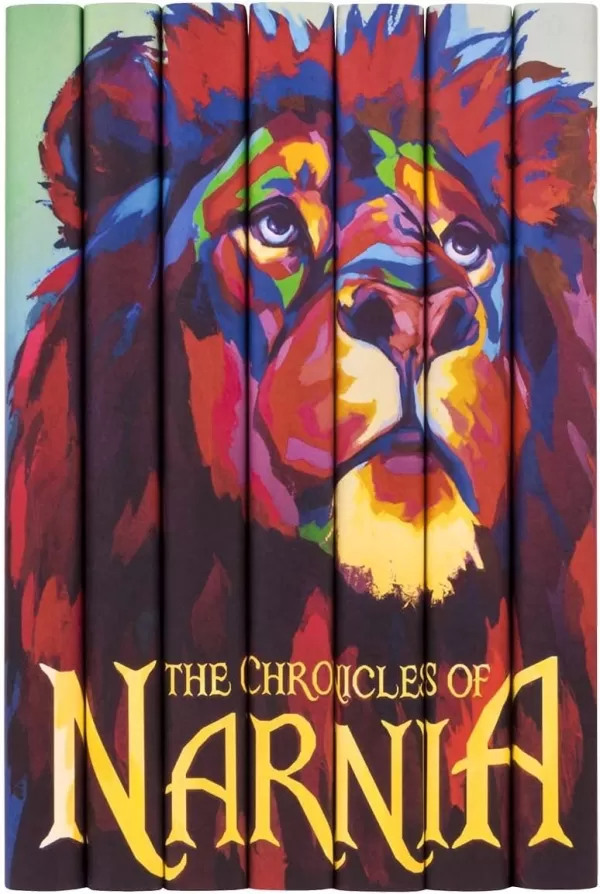
Includes 7 Books The Chronicles of Narnia Hardcover Set
4 See it at Amazon!
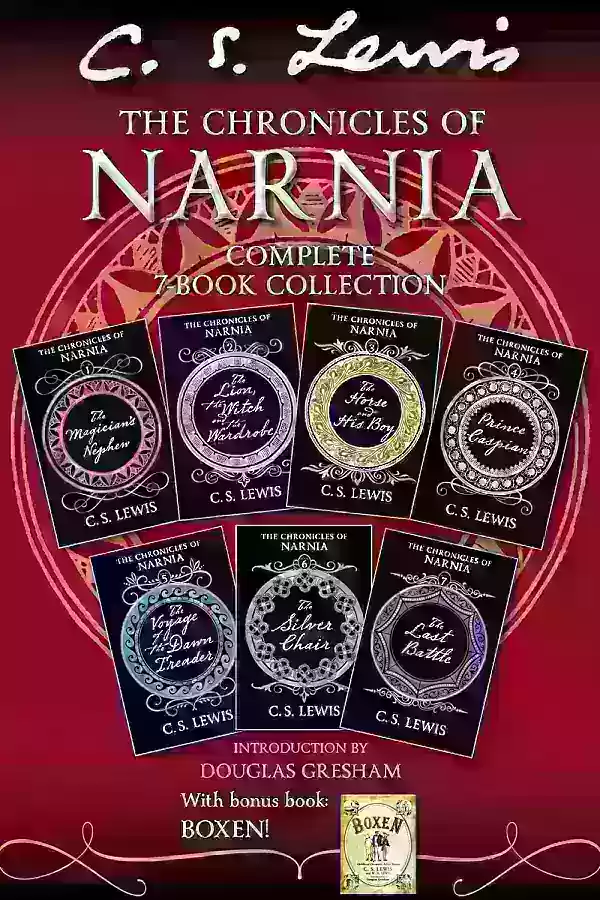
Kindle Edition The Chronicles of Narnia
3 See it at Amazon!
Audiobook Edition The Chronicles of Narnia Complete Audio Collection
1 See it at Amazon
Ursula Le Guin
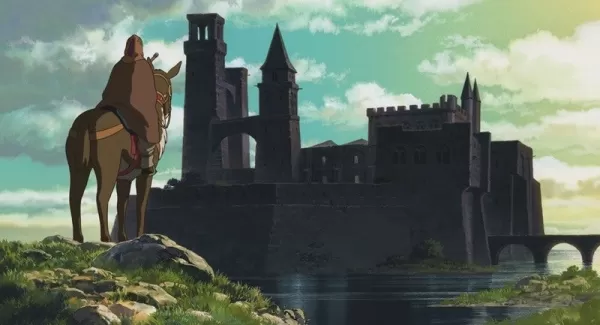
Ursula Le Guin stands as a towering figure in fantasy and science fiction. Her Earthsea series, beginning with A Wizard of Earthsea, introduced a deeply philosophical and lyrical approach to fantasy, following the journey of a young mage discovering balance, identity, and power. Le Guin became the first woman to win both the Hugo and Nebula Awards for Best Novel, breaking barriers and expanding the genre’s emotional and intellectual depth.
Her influence extends beyond the page—Hayao Miyazaki and his son Goro Miyazaki drew inspiration from Earthsea for Studio Ghibli’s film Tales from Earthsea. But Le Guin was more than a storyteller; she was a visionary thinker, advocating for social justice, gender equality, and ecological awareness. Even after her passing in 2018, her words continue to resonate, with quotes about capitalism, hope, and humanity going viral across social media. In 2025, her legacy remains as vital and transformative as ever.
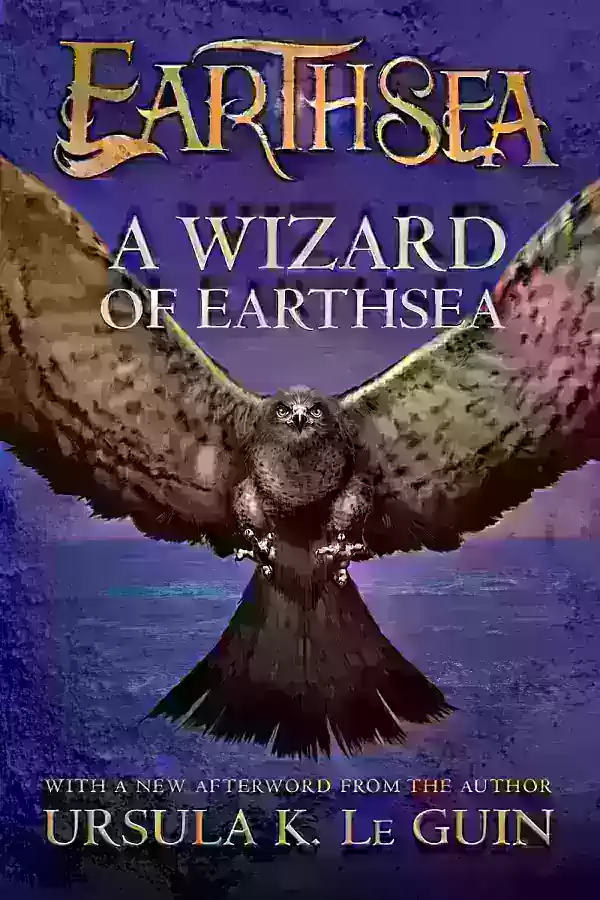
Book 1 of the Series
A Wizard of Earthsea
0 See it at Amazon!
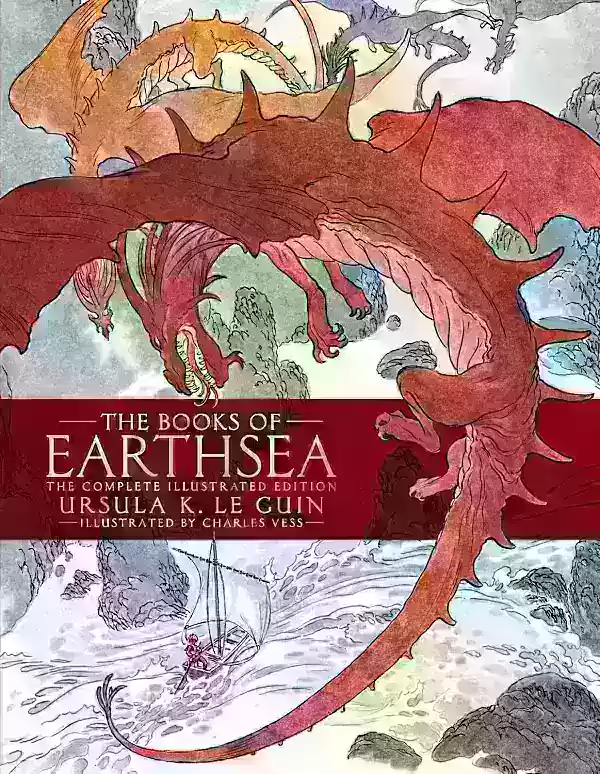
The Books of Earthsea: The Complete Illustrated Edition
0 See it at Amazon!
Boxed Set
Ursula K. Le Guin: The Hainish Novels and Stories
0 See it at Amazon!
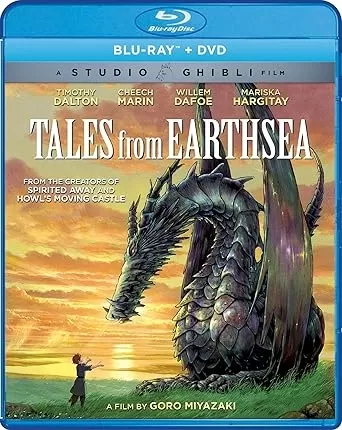
Blu-ray + DVD
Tales From Earthsea
0 See it at Amazon
George R.R. Martin
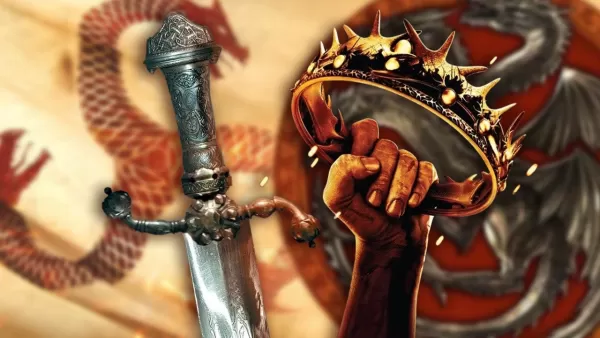
George R.R. Martin redefined epic fantasy with his A Song of Ice and Fire series, best known through its television adaptation Game of Thrones. Renowned for its complex characters, political intrigue, and subversion of genre tropes, Martin’s work brought a gritty realism to fantasy that captivated global audiences. His detailed world-building—from the history of Westeros to its sprawling family lineages and ancient texts—has set a new benchmark for immersive storytelling.
Beyond Westeros, Martin’s impact on television is profound. He contributed to iconic series like the 2000s reboot of The Twilight Zone, the cult classic Max Headroom, and the underrated 1989 Beauty and the Beast starring Ron Perlman and Linda Hamilton. More recently, his chilling supernatural noir Dark Winds was adapted by AMC and has already been renewed for a fourth season, proving his enduring relevance in modern storytelling.
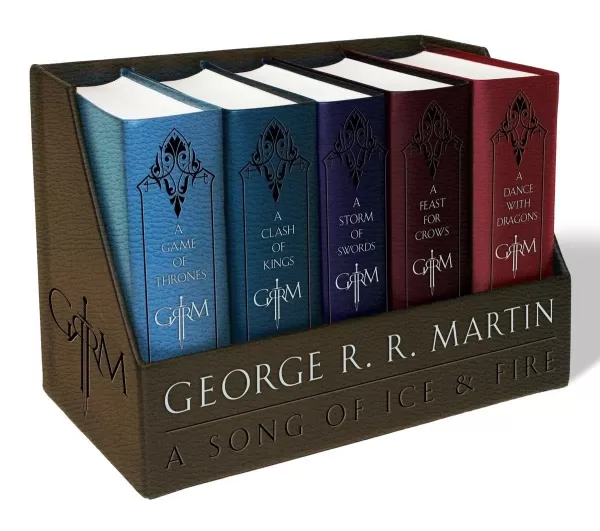
A Song of Ice and Fire Book Set
4 See it at Amazon!
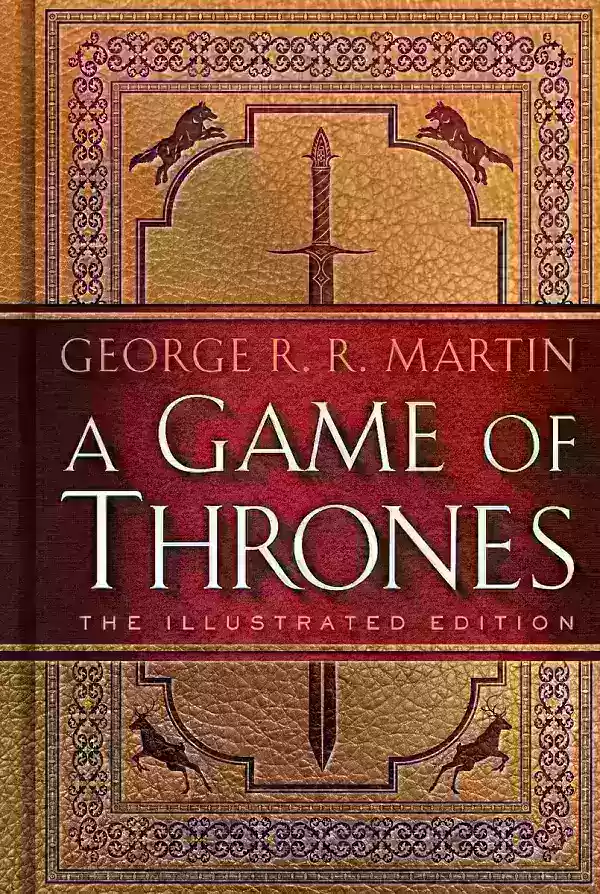
A Game of Thrones: The Illustrated Edition
7 See it at Amazon!
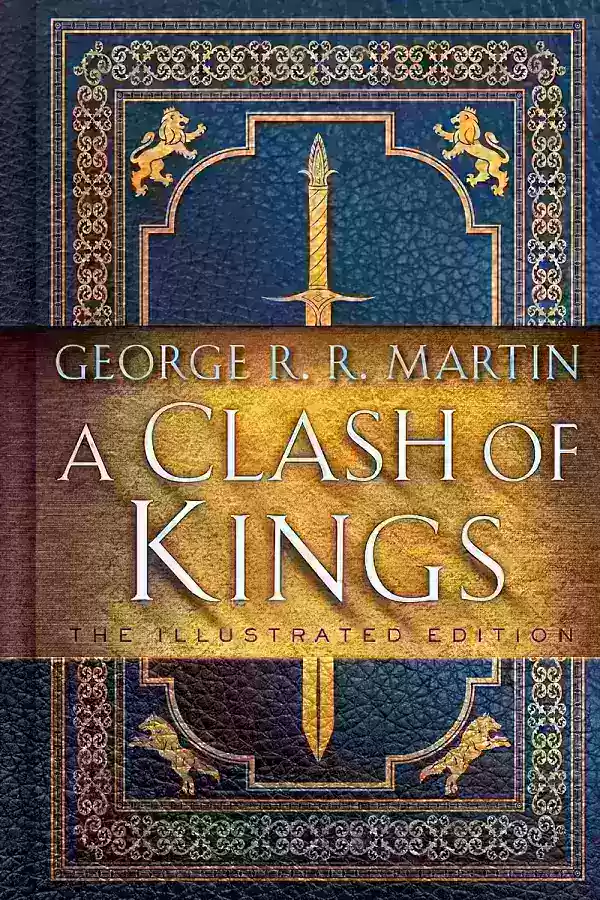
A Clash of Kings: The Illustrated Edition
3 See it at Amazon!
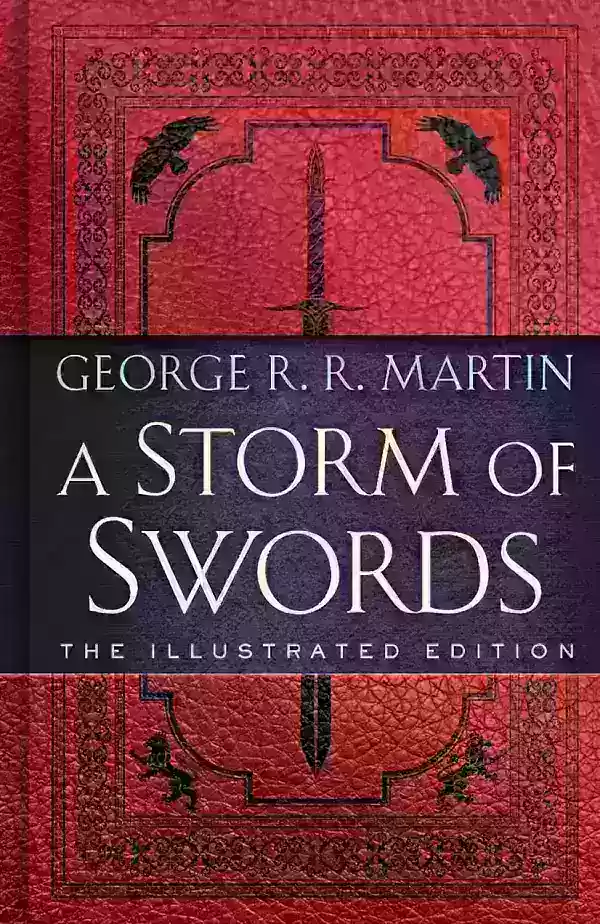
A Storm of Swords: The Illustrated Edition
3 See it at Amazon
Octavia Butler
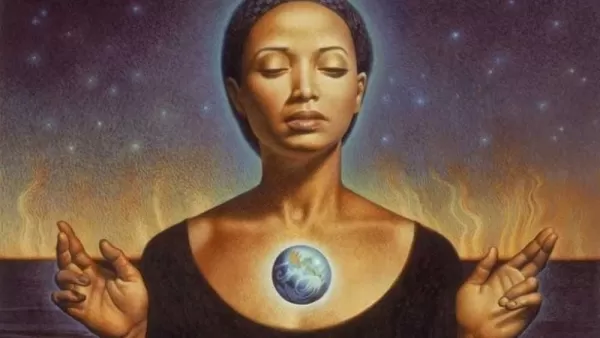
Though best known for her groundbreaking science fiction, Octavia Butler is also a pivotal figure in the fantasy canon. Her work defies easy categorization, blending elements of fantasy, horror, and speculative fiction. Her acclaimed novel Kindred, which she described as “a kind of grim fantasy,” merges time travel with the brutal realities of slavery, creating a haunting narrative that transcends genre.
Butler fearlessly integrated real-world issues—racism, sexism, power, and identity—into her fantastical settings. Whether exploring dystop
-
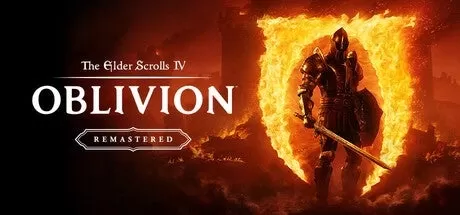 In what’s surely the most open secret in recent gaming news, Bethesda has quietly released The Elder Scrolls IV: Oblivion Remastered for Xbox, PS5, and PC. If you’re a PC gamer—or even a Steam Deck owner, since it’s officially verified on Deck—you caAuthor : Emma Apr 28,2026
 -
As Stellar Blade surpasses 3 million global sales, director Hyung-tae Kim confirmed its sequel will feature a "more substantial" narrative—though development priorities initially led to significant story cuts in the first installment.Speaking with ThAuthor : Charlotte Apr 25,2026









![A Father’s Sins – Going to Hell [Ch. 7 Public] By Pixieblink](https://img.laxz.net/uploads/67/1719578270667eae9eb6a75.jpg)