
"Oblivion Remake Crucial for Bethesda's Comeback"
By Azura, by Azura, by Azura – the rumors are confirmed. Bethesda sent shockwaves through the gaming world yesterday by unveiling Virtuos' remaster (or should we call it a remake?) of The Elder Scrolls IV: Oblivion. The surprise announcement during their 'Elder Scrolls Direct' event instantly drew hundreds of thousands of players. This moment of collective excitement arrives at a crucial time for Bethesda Game Studios, which has faced challenges in recent years – from repairing Fallout 76's disastrous launch to addressing Starfield's lukewarm reception. Many fans have questioned whether Bethesda still possesses its legendary magic touch. With formidable competitors like Baldur's Gate 3 and The Outer Worlds series raising the RPG bar, this Oblivion re-release might be Bethesda's first step toward reclaiming its throne – albeit in an unexpected way.
Bethesda Game Studios once dominated the RPG landscape. Fallout 4 sold over 25 million copies according to leaked Microsoft documents, while Skyrim surpassed 60 million sales (though frequent re-releases certainly helped). Starfield's estimated 3 million sales eighteen months post-launch – factoring in Game Pass access but excluding PlayStation – suggest disappointing performance. Even the game's dedicated fanbase expressed dissatisfaction with the Shattered Space expansion. This creates a significant challenge for Bethesda: how to rekindle player enthusiasm when The Elder Scrolls VI remains years away and Fallout 5 exists only as studio whispers? The solution might lie in revisiting past triumphs.
The answer to revitalizing Bethesda's connection with fans may be found in its legendary back catalog.
Whispers of an Oblivion remaster first emerged in September 2023 through leaked Microsoft documents revealing unannounced Bethesda projects. The rumors gained traction in January 2025 when a Virtuos employee leaked details, dividing fans much like Tamriel's Stormcloak-Imperial conflict. Last week's official reveal shattered expectations – Google searches for "The Elder Scrolls VI: Oblivion" surged 713%, while Bethesda's livestream peaked at half a million viewers. Remarkably, over 600,000 people tuned in to witness a nineteen-year-old game's rebirth. The overwhelming demand crashed discount key sites and propelled Oblivion to Steam's #1 bestseller spot with 125,000 concurrent players. The community's passion burns as fiercely as Oblivion's iconic gates.
How can this legendary RPG developer recapture players' hearts? The solution lies in honoring its heritage.
The message couldn't be clearer: rebuild beloved classics, and gamers will return. Revisiting Morrowind's mysterious shores or Fallout's devastated capital wasteland offers the perfect way to maintain fan engagement during lengthy development cycles. From a business perspective, these remasters make perfect sense – while Bethesda's core team focuses on new projects, trusted partners like Virtuos can revive classics using established blueprints. These updated versions introduce legendary RPGs to new audiences while reminding veterans why they fell in love with Tamriel or the Capital Wasteland.
Bethesda has successfully leveraged its catalog before. During Amazon's Fallout TV series premiere, Fallout 4 received a 75% discount alongside a next-gen update incorporating show references. This strategy boosted European sales by 7,500% for the nearly decade-old game.
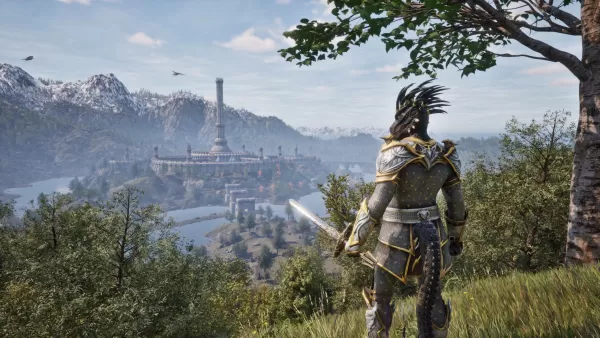
Microsoft's leaked roadmap suggests a Fallout 3 remaster could follow Oblivion in 2026 – potentially coinciding with Fallout Season 2. Given the show's anticipated shift to New Vegas, might Bethesda surprise fans with a remake of Obsidian's beloved spin-off? The studio's unexpected Oblivion shadow-drop proves anything's possible. Perhaps we'll see a New Vegas Remastered trailer capping Fallout's second season finale.
The player response speaks volumes: revitalize cherished classics, and the audience will follow.
Among Bethesda's catalog, The Elder Scrolls III: Morrowind stands as the most deserving – yet challenging – remake candidate. Dedicated fans have literally rebuilt Morrowind using Skyrim's engine via projects like Skyblivion. However, Morrowind presents unique challenges: its text-heavy narrative, lack of quest markers, and unconventional combat systems make it radically different from modern RPGs. Virtuos successfully refined Oblivion's rough edges, but Morrowind's charm lies in its intricate, sometimes frustrating mechanics. Modernizing too much risks losing its soul, while preserving outdated systems could create a worse experience than a Skooma-induced headache.
When developers define a genre, they face constant pressure to innovate while retaining their core audience. Rockstar maintains engagement through GTA Online's evolving multiplayer, funding their next groundbreaking title. Bethesda's strength lies in immersive single-player experiences – attempts like ESO and Fallout 76 never captured the same magic. Virtuos' Oblivion remaster proves gamers eagerly await opportunities to revisit Bethesda's legendary worlds. Not every remaster succeeds – as Rockstar's GTA Definitive Editions demonstrated – but executed properly, these updates offer Bethesda the perfect opportunity to reconnect with fans while rebuilding its reputation as RPG royalty.
-
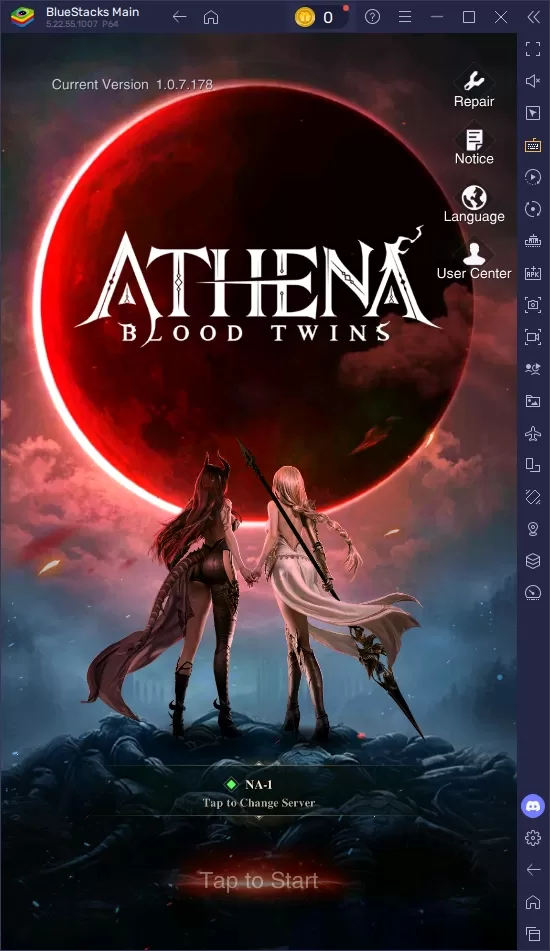 In ATHENA: Blood Twins, your character’s class defines how you engage with the world and shape your team’s strategy. Although the game emphasizes automation and hero summoning, your starting class still influences your progression speed, how you tackAuthor : Claire Jun 02,2026
 -
 If you’re a fan of high-impact anime stylized ARPGs, then the newly released Crystal of Atlan is right up your alley! It combines stylish real-time combat with deep character progression in a magical-tech world. With fast-paced battles, weapon customAuthor : Aaron Jun 01,2026
-
 Braindom: Brain Games TestDownload
 -
 Shopping Mall 3D ModDownload
 -
 Bitcoin Slots and Casino gamesDownload
 -
 Black Jack for Winners: Card GameDownload
 -
 LEO Slots - Vegas 777Download
 -
 Слоты: Fortuna ClubDownload
 -
 Binary Bet GameDownload
 -
 FairCasino - Offical SlotsDownload
 -
 GoGame by DivercloudDownload
 -
 BETPARTY - JACKPOT HARD BONUSDownload

![A Father’s Sins – Going to Hell [Ch. 7 Public] By Pixieblink](https://img.laxz.net/uploads/67/1719578270667eae9eb6a75.jpg)






- Pokémon Presents 2025 Unveils Exciting Reveals
- Spring Valley Farm Game: January 2025 Redeem Codes
- Pokémon Sleep Is Celebrating Valentine’s Day with Éclair, Cheesecake and More Desserts!
- Pokémon TCG Pocket Debuts Trading, Unveils New Expansion
- Isekai∞Isekai Is a New RPG with Nine Anime Worlds to Explore at Launch
- 🌟 Isekai Saga's Latest Codes Unveiled for Enhanced Gameplay! 🌟