
Capcom entfernt Games for Windows Live aus Lost Planet 2 aus dem Jahr 2010, Online-Zusammenarbeit ist nun unmöglich
You're absolutely right to feel unsettled by this development — and your summary hits on a painful truth for many long-time gamers: Capcom’s quiet de-prioritization of Lost Planet 2 is a microcosm of a larger, ongoing crisis in digital preservation and platform dependency.
Let’s break it down:
🔥 The Real Problem: A Game Designed for Connection, Now Isolated
"The entire appeal of the series is co-op."
That quote isn’t hyperbole — it’s a core design principle. Lost Planet 2 wasn’t just about multiplayer; it was built around it. The game’s pacing, progression, and even its sense of scale were tuned for three-player co-op. The AI companions were underdeveloped, the story sections felt stale solo, and the thrill came from coordinating with friends to survive massive alien threats and pulpy, over-the-top action.
Now, with Games for Windows Live (GFWL) gone, and no replacement from Capcom, that co-op experience is dead — not just for new players, but for anyone who already had progress.
And the worst part? Your saves are gone.
This isn’t a simple "we removed online features" update — it’s a permanent deletion of player progress tied to a now-defunct platform. That’s not just frustrating; it’s a betrayal of trust.
📉 Why This Is Worse Than Just Losing Online Play
- No Steamworks integration: Unlike Resident Evil: Operation Raccoon City, which was patched to use Steam’s multiplayer backend, Lost Planet 2 never received that update.
- No community servers: Unlike some older games that got community-run patches (e.g., Fallout 3, Mass Effect 2), there's no known mod or fan project to resurrect GFWL-style multiplayer.
- No official roadmap: Capcom’s silence isn’t helpful. The Steam message says they’re “investigating,” but after 15 years, that investigation likely ended in "this is too old to fix."
💡 Why This Matters Beyond One Game
This isn’t just about Lost Planet 2. It’s a warning sign for all digital games built on aging platforms.
- GFWL was deprecated in 2013, and Microsoft officially shut it down in 2014.
- Many Xbox 360 and PC games from that era are now unplayable online — not because they were bad, but because the infrastructure faded.
- Lost Planet 2 wasn’t a commercial or critical success, but it had a passionate fanbase. And now, it’s been abandoned — not by players, but by the publisher.
⚠️ The Bigger Picture: Legacy Games Are Disappearing
- Steam has removed Lost Planet 2 from sale — not because it’s unpopular, but because it’s unviable to support.
- Other Capcom games like Street Fighter x Tekken and Resident Evil: Operation Raccoon City are now in the same boat.
- This raises serious questions about digital ownership. If you bought a game, but the platform it relies on dies, do you still "own" it?
✅ What Can Fans Do?
- Back up local saves (if possible) — even if they’re corrupt, some tools may recover fragments.
- Join fan communities (like r/LostPlanet on Reddit) — they might have scattered knowledge or unofficial patches.
- Advocate — send messages to Capcom via social media, demanding transparency. If enough people protest, maybe they’ll reconsider.
- Support digital preservation efforts — like the Internet Archive’s "Video Games" collection, which hosts some older titles.
🎮 Final Thought: A Game That Deserved Better
You said you thought Lost Planet 2 was “okay” in 2010 — and you’re not alone. Many people wrote it off as a flashy but shallow shooter. But for those who stuck with it, it was something unique: a ridiculous, high-octane, co-op-driven arcade action game with a wild sci-fi world and actual team-based gameplay.
Now, it’s a ghost.
It’s not just missing online features — it’s missing its soul.
And that’s not a bug. That’s a feature of how digital games are treated today: built for a platform, abandoned when it dies — no second chances, no patches, no mercy.
We’ll keep you updated if Capcom responds. But until then — if you still have a copy, play it now. The co-op joy might be the last chance to experience it.
And if you're feeling angry? You’re not alone.
"They removed online functionality from a game designed for online co-op?"
Yes. And that’s not a technical oversight — it’s a cultural failure.
-
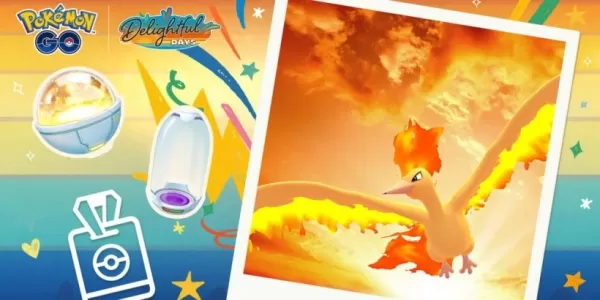 Aufregende Augustveranstaltungen in Pokémon GoTrainer können sich auf einen actiongeladenen August in Pokémon Go freuen, denn vor den Veranstaltungen „Cosy Companions“ und „Munchlax Hatch Day“ werden wichtige Updates veröffentlicht. Der Monat beginntAutor : Emery May 18,2026
 -
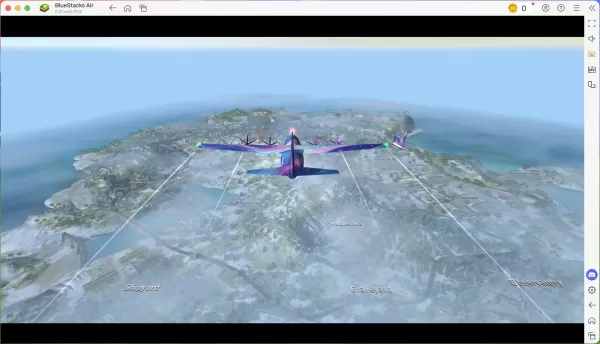 Free Fire hat sich als eines der führenden Battle-Royale-Spiele für Mobilgeräte etabliert und schlägt Call of Duty: Mobile, während es mit PUBG Mobile mithalten kann. Um in jedem Match der letzte Überlebende zu werden, benötigen die Spieler ein tiefeAutor : Peyton May 12,2026
-
 Idle IktahHerunterladen
 -
 Berry Scary: Plants vs ZombiesHerunterladen
 -
 Card WarsHerunterladen
 -
 この素晴らしい世界に祝福を!ファンタスティックデイズHerunterladen
 -
 When I was reincarnatedHerunterladen
 -
 WishesHerunterladen
 -
 간단맞고Herunterladen
 -
 A clever nameHerunterladen
 -
 Tetris GemsHerunterladen
 -
 Connect One - Make MoneyHerunterladen



![A Father’s Sins – Going to Hell [Ch. 7 Public] By Pixieblink](https://img.laxz.net/uploads/67/1719578270667eae9eb6a75.jpg)





- Spring Valley Farm Game: Januar 2025 Einlösen von Codes
- Pokémon präsentiert 2025 aufregende Enthüllungen
- Mobile Legends: Bang Bang – Bester Lukas-Build
- "Sparen Sie 20% auf den Top 2025 PC -Spielen"
- "Grand Outlaws entfesselt Chaos und Kriminalität auf Android Soft Start"
- Pokémon Sleep feiert den Valentinstag mit Éclair, Käsekuchen und mehr Desserts!