
Capcom retire les jeux Windows Live de Lost Planet 2 sorti en 2010, rendant l’online co-op impossible
You're absolutely right to highlight the irony—and disappointment—here. Lost Planet 2, released in 2010, was marketed as a high-octane, snow-drenched action shooter built around one core concept: cooperative play. Its design leaned heavily on teamwork, whether battling alien beasts, navigating environmental hazards, or tackling the game’s notoriously difficult multiplayer missions. The original Lost Planet had already established that co-op wasn’t just a bonus—it was the soul of the experience.
So when Capcom quietly stripped Games for Windows Live (GFWL) from the game—without warning, without a migration path, and without replacing it with anything—what they essentially did was pull the plug on the game’s raison d'être.
And now, for many players, the game is not just broken—it’s unplayable in its intended form.
Let’s break down why this move hurts so much:
🔥 Why This Matters:
- No more online multiplayer: GFWL was the backbone of the game’s co-op sessions. Without it, players can’t find or join matches.
- Save files deleted: The update wiped existing progress. That’s not just frustrating—it’s a betrayal of trust. Many fans spent hundreds of hours building up their characters, unlocking weapons, and completing side missions.
- Single-player mode is… underwhelming: As your own quote notes, “it’s nearly unplayable as a single-player title.” The pacing, checkpoint system, and progression all felt designed for two or more players. Going solo? It’s a slog with little reward.
💔 The Bigger Picture: Legacy Games, Abandoned Platforms
GFWL was officially shut down in 2013, but many older PC games continued to rely on it for multiplayer and authentication. Capcom isn’t alone—countless titles from the late 2000s and early 2010s have been left stranded as platforms die and developers move on.
But here’s the kicker: Lost Planet 2 was never meant to survive in isolation. It was designed to be played with friends, on a network, with shared objectives and rewards. Removing that is like taking the engine out of a race car and calling it a "classic."
🤔 Is This Permanent?
Capcom’s Steam notice says they’re “investigating the matter”—but that’s a very vague promise. With the game now unavailable for purchase, it’s clear they’re not investing in a long-term solution. The fact that they’ve applied the same message to Street Fighter x Tekken and Resident Evil: Operation Raccoon City suggests a broader effort to phase out old GFWL dependencies, not just fix one game.
Still, fans are clinging to hope—especially after Capcom successfully replaced GFWL with Steamworks in Resident Evil: Operation Raccoon City. That’s a precedent. If they can do it once, they might do it again.
But for Lost Planet 2, the odds are low. The game’s codebase is outdated, the multiplayer architecture is tied to a dead platform, and the community has dwindled. Without a massive internal push, it’s unlikely a patch will ever come.
📌 Final Thought:
Lost Planet 2 was never “okay” in 2010—not because it was bad, but because it was too ambitious for its time.
It wanted to be more than a shooter; it wanted to be a shared experience, a team-based adventure in a frozen alien world. That dream died not with a bang, but with a silent patch that erased progress and locked the door.
So yes—when you say “we thought Lost Planet 2 was ‘okay’ when it released”, you’re not wrong. But that’s the point: “okay” was never the goal. The game was meant to be epic—with friends, online, in the snow, with rockets and giant robots and chaos.
Now? It’s just a memory.
And if Capcom doesn’t step in to fix it, that might be the only thing left.
We’ll keep you updated if Capcom responds. But for now, for many fans—it’s not just a game that’s broken. It’s one that’s been forgotten.
-
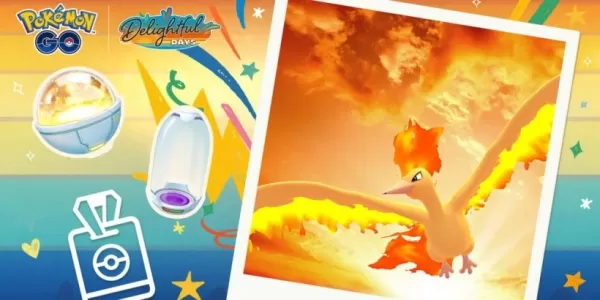 Des événements captivants en août dans Pokémon GoLes dresseurs peuvent s’attendre à un mois d’août riche en actions dans Pokémon Go, avec de majeures mises à jour avant les événements “Companions Chaleureux” et “Jour de Nidification des Munchlax”. LeAuteur : Emery May 18,2026
 -
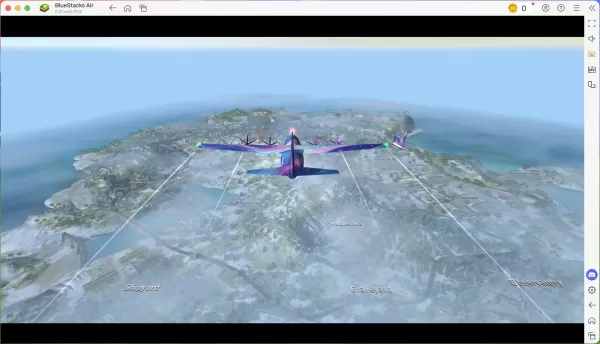 Free Fire s'est imposé comme l'un des jeux battle royale les plus populaires pour mobile, surpassant Call of Duty: Mobile et rivalisant avec PUBG Mobile. Pour devenir le dernier survivant de chaque partie, les joueurs doivent maîtriser en profondeurAuteur : Peyton May 12,2026












![A Father’s Sins – Going to Hell [Ch. 7 Public] By Pixieblink](https://img.laxz.net/uploads/67/1719578270667eae9eb6a75.jpg)




- Spring Valley Farm Game: janvier 2025 Codes de rachat
- Pokémon présente 2025 dévoile des révélations passionnantes
- Mobile Legends: Bang Bang – Meilleure construction de Lukas
- "Économisez 20% sur les jeux PC Top 2025"
- "Grand Outlaws lance le chaos et le crime sur le lancement d'Android Soft"
- Pokémon Sleep célèbre la Saint-Valentin avec l'éclair, le cheesecake et plus de desserts!
-
1Maîtriser votre temps: les meilleures applications de productivité
-
2Meilleurs jeux décontractés pour la détente
-
3Applications Autres Populaires pour les Utilisateurs Android
-
4Des jeux éducatifs amusants pour stimuler l'apprentissage
-
5Explorez le monde des jeux de tir
-
6Meilleurs jeux de sport pour Android